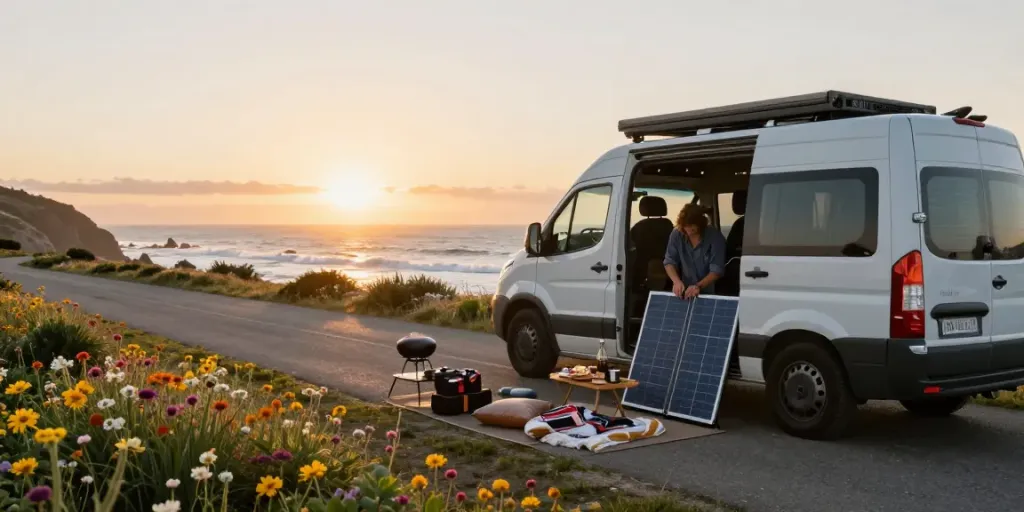
The Importance of Efficient Electric Systems in Van Conversions
As more adventurers embrace the van life, understanding the fundamental electrical systems becomes paramount. Efficient electric systems power our modern comforts, allowing us to enjoy off-grid living without compromising on essential amenities. For enthusiasts navigating their van conversion journey, being well-versed in campervan electrics, including batteries, solar panels, and wiring, is crucial. When exploring options, rokok88 login provides comprehensive insights into the systems integral to a successful van conversion.
Understanding Campervan Battery Requirements
The backbone of any van electrical system is its battery. When selecting a battery, consider capacity, chemistry, and intended usage. Most campervans rely on either lead-acid or lithium batteries. Lead-acid batteries are generally more affordable; however, they are heavier and have a shorter cycle life compared to lithium batteries, which, despite their higher initial cost, offer better longevity and weight efficiency.
Types of Batteries: Which One Should You Choose?
Choosing the right battery type hinges on how you intend to use your campervan. Below are common options:
- AGM (Absorbent Glass Mat): A type of sealed lead-acid battery that is maintenance-free, resistant to vibrations, and can be mounted in any position.
- Gel Batteries: Another sealed lead-acid option, gel batteries are less susceptible to sulfation but require a specific charger.
- Lithium Iron Phosphate (LiFePO4): Lightweight and with a long shelf life, lithium batteries allow deeper discharges, making them perfect for longer trips.
How Solar Panels Enhance Your Van's Power Efficiency
Solar panels are a game-changer for van conversions, allowing for renewable energy generation. By harnessing solar power, van lifers can extend their trips without the need for frequent generator runs or hookups. The placement and quality of solar panels can significantly impact your energy independence.
Maximizing Your Solar Setup for Off-Grid Living
To optimize your solar setup, proper planning and component selection are key. It's essential to calculate your energy needs accurately to determine the solar panel wattage required for your campervan. This involves understanding how much power your appliances will consume based on hours of usage. This foresight can help you avoid being left in the dark during your travels.
Choosing the Right Solar Panels for Your Vehicle
There are two main types of solar panels for campervans: monocrystalline and polycrystalline. Monocrystalline panels are more efficient, converting more sunlight into electricity and often providing superior performance in low-light scenarios. Polycrystalline panels are more cost-effective, but they take up more space and are less efficient.
Installing Solar Panels: Step-by-Step Guide
Installing solar panels requires careful consideration and planning. Follow these steps for a successful installation:
- Choose the right location on your roof where the panels can receive maximum sunlight.
- Secure the panels with mounting brackets and ensure they are watertight to prevent leaks.
- Connect the solar panels to a charge controller to regulate the voltage going to the battery.
- Finally, connect the batteries to the charge controller to store the generated energy effectively.
Maintenance Tips for Longevity of Solar Systems
Regular maintenance of your solar system is critical to ensure its longevity and efficiency. Here are some helpful tips:
- Periodically clean the solar panels with a gentle soap solution to remove dirt and debris.
- Check the wiring for any signs of wear or corrosion.
- Monitor the battery health regularly to avoid unexpected failures.
Wiring Techniques for Safety and Performance
The wiring system in your campervan is vital for the safety and efficiency of your electrical setup. Proper wiring ensures optimal performance and reduces the risk of electrical fires or malfunctions.
Essential Wiring Components for Your Campervan
Familiarize yourself with the essential wiring components needed for a successful installation:
- Wiring Gauge: Choose the appropriate gauge based on the distance between components and the total current load.
- Fuses: Install fuses in series with the power supply to protect your wiring and appliances from overload.
- Connectors: Use high-quality connectors to ensure a solid connection and reduce resistance.
Common Wiring Mistakes and How to Avoid Them
Newbies often make mistakes when it comes to wiring. Here are common pitfalls and how to avoid them:
- Using Incorrect Gauge Wire: Always match wire gauge to the planned load to prevent overheating.
- Poor Connections: Avoid relying solely on twist connections; instead, use solder or crimp connectors for a reliable join.
- Neglecting Grounding: Always ensure that all metal components are properly grounded to prevent electric shocks.
Testing and Troubleshooting Wiring Issues
If you encounter electrical issues, systematic testing is crucial. Utilize multimeters to check voltage at different points in your system to isolate problems. Inspect physical connections, and ensure that all fuses are intact.
Insulating Your Van: Why It Matters
Insulation plays a critical role in the overall functionality and comfort of your campervan. It helps regulate temperature, keeping it warm in winter and cool in summer, effectively extending your travel seasons.
Types of Insulation Materials Best for Vans
Choosing the right insulation material can significantly impact energy consumption and comfort levels in your camper. Here are the most popular choices:
- Foam Board Insulation: Offers a high R-value and is lightweight, making it a popular choice.
- Spray Foam Insulation: Provides a perfect air seal and is highly effective in reducing heat transfer.
- Reflective Insulation: Great for reflecting radiant heat away from your van, ideal in warmer climates.
Step-by-Step Guide to Insulating Your Camper
To insulate your van effectively, follow these steps:
- Remove any existing paneling and clean the surfaces.
- Measure the areas you wish to insulate and cut the insulation material accordingly.
- Secure the insulation in place using adhesive or mechanical fasteners.
- Reinstall the paneling, ensuring that it fits snugly over the insulation.
How Insulation Improves Energy Efficiency
Proper insulation lowers the demand for heating and cooling, which conserves battery power and enhances overall energy efficiency. This is particularly important for off-grid living, where every watt counts.
Future Trends in Van Conversions for 2026 and Beyond
As the van life movement continues to gain traction, several trends are emerging that could redefine camper conversions in the coming years. Being aware of these trends can help enthusiasts and professionals stay ahead of the curve.
Emerging Technologies in Van Electrification
Expect advancements in battery technology, such as solid-state batteries that promise greater energy density and safety. Additionally, vehicle-to-grid (V2G) technology may facilitate energy exchange with the grid, optimizing energy use.
Innovative Designs to Look Out For
Aesthetic and functional designs are further evolving, with modular components and smart technology integration offering greater flexibility for van lifers. Features such as automated lighting and smart appliances are becoming more common.
Tips for Staying Ahead in Van Conversion Trends
To remain informed, join forums, attend van expos, and participate in community discussions. Keeping an eye on innovations will not only enhance your conversion skills but also inspire fresh ideas for personalizing your van.
What are the best battery options for my campervan?
The best battery options often depend on your travel needs and how much power you require daily. Lithium batteries, despite a higher upfront cost, tend to be the best choice for long-term use due to their efficiency and weight advantages.
How can I calculate my solar power needs?
To calculate solar power needs, begin by listing all appliances and their wattage, then estimate how long each appliance runs per day. Use this information to determine your total daily wattage requirement and choose a solar panel system capable of meeting this demand.
What are common mistakes when installing van wiring?
Common mistakes include using incorrect wire gauges, neglecting to fuse circuits, and failing to adequately ground systems. Each of these errors can lead to inefficiencies or safety hazards.
How does insulation affect energy consumption in a camper?
Good insulation minimizes heat transfer, reducing the workload on heating and cooling systems and thus conserving energy. This is especially beneficial in extreme weather, leading to a more comfortable living environment.
What new technologies should I watch for in 2026?
Watch for developments in solar energy efficiency and compact energy storage solutions, along with smart technology that enhances the functionality of your campervan. Innovations in lightweight materials for insulation can also make a significant impact on energy consumption.