
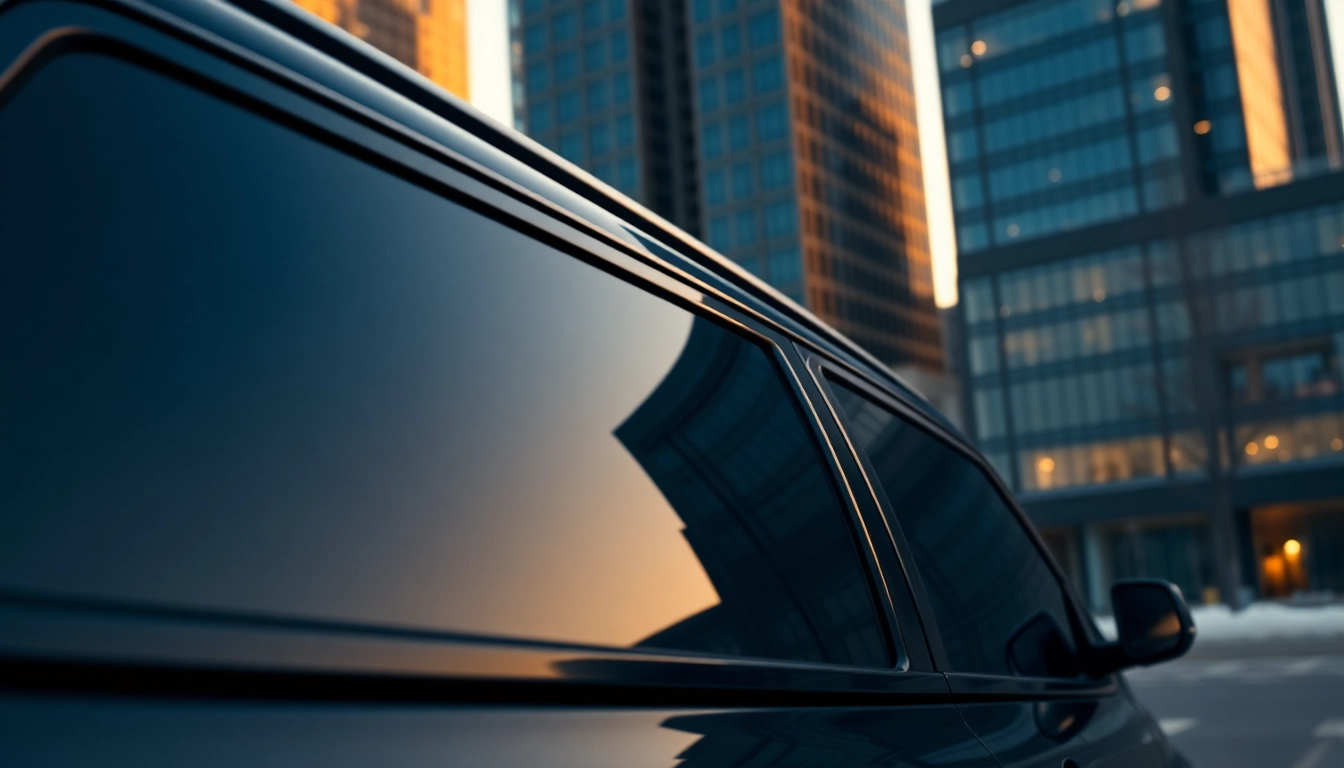
Understanding Window Tinting Cleveland TN
What is Window Tinting?
Window tinting is the application of a thin film to the glass surface of vehicles, homes, or commercial buildings to reduce the amount of sunlight that penetrates the glass. This protective layer can come in varying shades and materials, making it a versatile solution for temperature control, UV protection, and aesthetics. In window tinting Cleveland TN, understanding these elements can significantly enhance your experience.
Benefits of Window Tinting Cleveland TN
The benefits of window tinting are numerous and vary depending on the type of film used and the application. Firstly, they provide protection from harmful UV rays that can cause skin damage and fade interior materials. Moreover, window films can significantly reduce heat penetration, maintaining a more consistent and comfortable temperature within the vehicle or building. Energy efficiency is another key advantage; by minimizing the need for air conditioning, window tinting can lead to reduced utility bills.
In addition to comfort and energy savings, window tinting adds to privacy and security. Tinted windows can obscure visibility from outside, which helps protect personal belongings. Furthermore, certain films can also add an extra layer of shatter resistance, minimizing injury risk in case of an accident. Finally, the aesthetic appeal of window tinting contributes to a polished and sophisticated appearance.
Types of Window Tints Available
There are several types of window tints available, each designed for specific purposes and preferences:
- Dye-Based Tints: The most common type, these films absorb sunlight and reduce glare.
- Metalized Tints: These films contain tiny metallic particles that reflect heat and UV rays.
- Ceramic Tints: Offering superior heat rejection and UV protection without interfering with electronic signals.
- Hybrid Tints: Combines dye and metalized properties to achieve an appearance and performance balance.
The Importance of Choosing the Right Tint
Legal Regulations for Window Tinting Cleveland TN
Before selecting window tinting options, it’s vital to be informed about local laws and regulations. In Cleveland TN, laws govern the level of tint darkness and reflectivity. For instance, the front windshield generally must allow over 35% of light to pass through, while the rear windows can have a darker tint. Understanding these restrictions helps in making compliant choices that avoid fines and ensure safety.
How to Select the Best Tint for Your Vehicle
Selecting the best tint requires considering personal preferences, the primary use of the vehicle, and climate factors. For individuals seeking aesthetic enhancement, darker tints may be appealing, while those focused on heat rejection might opt for ceramic films. Consulting with professionals who can evaluate unique needs and provide tailored recommendations can ease this process.
Common Myths About Window Tinting
Several myths surround window tinting that can mislead potential customers:
- Myth 1: Tinted windows will make your vehicle too dark to see out of at night. Reality: Quality tints are designed to maintain visibility across various lighting conditions.
- Myth 2: All window tints are illegal. Reality: Legal window tints are widely available and compliant with regulations.
- Myth 3: Applying window tint is a simple DIY project. Reality: Professional installation ensures a flawless finish and optimal performance.
Installation Process of Window Tinting Cleveland TN
Preparation for Window Tint Installation
Proper preparation is crucial for a successful window tint installation. It starts with cleaning the windows thoroughly to eliminate dirt, oil, and residues. This step ensures proper adhesion of the film. Removing any window trims and ensuring the glass is dry are also important. A well-prepared environment helps avoid common installation mistakes that can compromise the quality of the tinting.
Step-by-Step Tint Application
The installation process can typically be broken down into several key steps:
- Measure the windows accurately to cut the film to size.
- Spray the window with a solution that allows the tint to adhere and slide into position.
- Carefully apply the film, ensuring it is bubble-free and aligned properly.
- Use a squeegee to remove excess solution and air bubbles.
- Trim excess film from the edges for a clean finish.
Post-Installation Care Guidelines
After installation, there are certain guidelines to follow to ensure the longevity of the window tint. It is advisable to avoid rolling down the windows for a few days to allow the adhesive to set properly. Cleaning should be done with ammonia-free products to prevent damaging the film. Furthermore, be cautious with any objects that could scratch or damage the tint to maintain its integrity.
Maintaining Your Window Tint
Cleaning Tips for Tinted Windows
Cleaning tinted windows requires using gentle materials and solutions. A soft microfiber cloth coupled with a mild detergent is often effective in keeping the windows clear and free from streaks. It’s essential to avoid abrasive scrubbers or strong chemicals that could degrade the film’s quality over time.
Signs of Damage and How to Repair
Common signs of window tint damage include peeling, bubbling, or discoloration. If these issues arise, it’s often best to consult a professional for repair or replacement. While minor scratches may sometimes be buffed out, extensive damage typically necessitates a complete removal and reapplication of the tint.
Long-Term Benefits of Proper Maintenance
Proper maintenance extends the lifespan of window tint and maximizes its effectiveness. Regular cleaning not only improves visibility but also enhances the aesthetic appeal of your vehicle. Additionally, maintaining tints helps uphold their ability to block UV rays and manage interior temperatures, contributing to energy savings and overall comfort.
Cost Considerations for Window Tinting Cleveland TN
Factors Affecting Window Tinting Prices
Several factors contribute to the cost of window tinting in Cleveland TN. These include the type of tint selected, the size and number of windows, the complexity of the installation, and the experience level of the installers. High-quality materials and professional installation typically warrant higher prices but often come with increased benefits and better outcomes.
Comparative Cost Analysis of Different Tint Types
Here’s a brief comparative analysis of different tint types’ costs:
- Dye-Based Tints: Generally the most affordable option, suitable for basic needs.
- Metalized Tints: Mid-range pricing offering better durability and heat rejection.
- Ceramic Tints: The most expensive, but provide superior heat rejection and are virtually non-reflective.
- Hybrid Tints: Pricing typically falls between dye and metalized, offering a blend of aesthetics and performance.
Value for Money: Why Tinting is Worth It
While the initial investment in window tinting may seem significant, the long-term benefits justify the cost. Reduced energy expenses, enhanced comfort, and protection for the interior from UV damage are just a few reasons why many car owners and residents consider it a worthwhile investment. Additionally, the aesthetic improvement to vehicles and buildings further adds value that can be appreciated over time.
FAQs about Window Tinting Cleveland TN
1. How long does window tinting last?
Quality window tint can last upwards of 10 years, depending on maintenance and exposure conditions.
2. Can I remove window tint myself?
You can, but professional removal is recommended to avoid damaging the glass or leaving residue.
3. Does window tinting affect visibility?
When applied correctly, quality tints maintain good visibility while reducing glare and UV exposure.
4. Is window tint legal in Cleveland TN?
Yes, but it’s essential to adhere to specific laws regarding allowable tint levels and reflectivity.
5. How should I clean my tinted windows?
Use ammonia-free cleaners and soft cloths to prevent damage, maintaining clarity without scratching.